
When it comes to annual reports, donor updates, and especially grant applications, many nonprofits find themselves caught in a numbers trap. You served 7,452 meals, hosted 38 workshops, or delivered 120 backpacks to children in need — and those numbers matter. However, if your reporting stops there, you’re missing the part of the story that funders and donors care about most: what actually changed as a result.
What’s the Difference?
- Outputs are the direct results of your activities. They are quantitative — numbers that measure what you did.
- Meals served
- Trainings held
- Backpacks distributed
- Outcomes are the meaningful changes that occurred as a result of those activities. They are often qualitative or take longer to measure.
- Families who no longer worry about their next meal
- Parents who found work after receiving job training
- Students who started the school year prepared and confident
Why This Matters for Grants and Annual Reports
Most grant funders want to see a mix of both. Outputs show how active your program is. Outcomes show that it’s working — that you’re actually changing lives, systems, or communities.
Evaluation plans that fail to show measurable outcomes are among the top reasons grant proposals are denied. Many nonprofits focus on output metrics, making it hard for reviewers to understand the project’s long-term value.
Donors Want to Feel Their Impact
In annual reports and donor communications, outputs tell supporters they gave to a busy organization. Outcomes show them they gave to a meaningful one.
Compare these two statements:
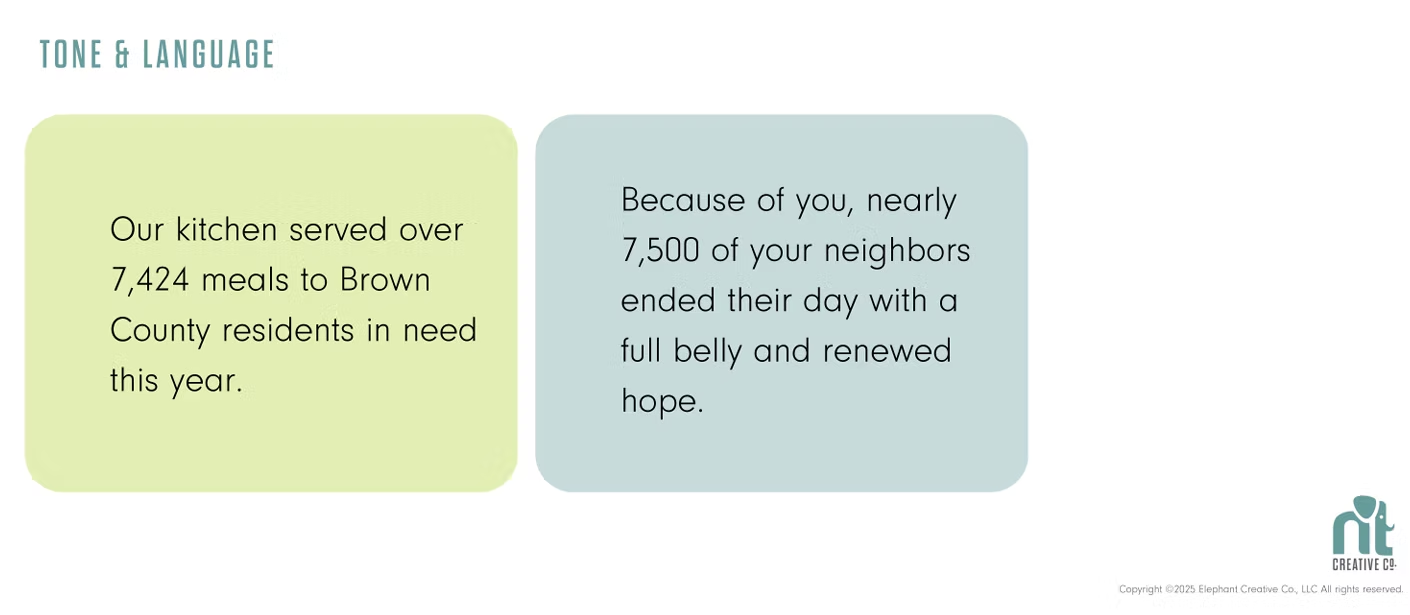
Shifts language from me-centered to donor-centered.
Both are true. But only one paints a picture of change and connection — the kind that moves people to give again.
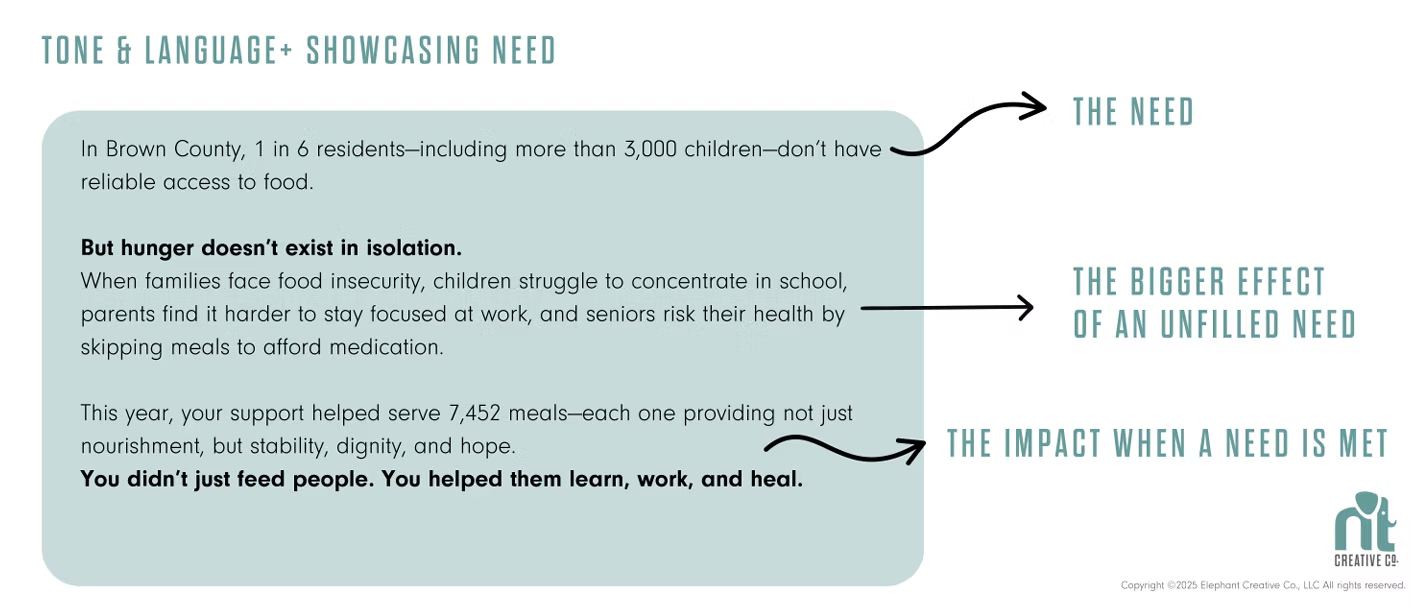
As shown in the second image, strong messaging and emotional imagery connect the need, the consequences of inaction, and the donor’s role in transformation.
How to Start Tracking Outcomes
- Map your logic model: Define your inputs → activities → outputs → outcomes. Make sure each step logically leads to the next.
- Ask qualitative questions: Conduct interviews, surveys, or focus groups. Ask about how people’s lives have changed.
- Include both short-term and long-term outcomes: Short-term might be a skill gained. Long-term might be job placement or stable housing.
- Invest in formative evaluation: As suggested in the grant writing course, regular check-ins (not just year-end data dumps) help you adjust in real time.
- Work with a third-party evaluator: Grant guidelines often recommend budgeting up to 15% of your grant for this. It adds credibility and sharpens your learning.
Final Thought
Funders don’t just want to know that you’re busy — they want to know you’re effective. And donors don’t just want numbers — they want stories that show their giving made a difference.
So, the next time you list the number of meals served, take one more step: tell us who sat at the table, and what changed after the last bite.